








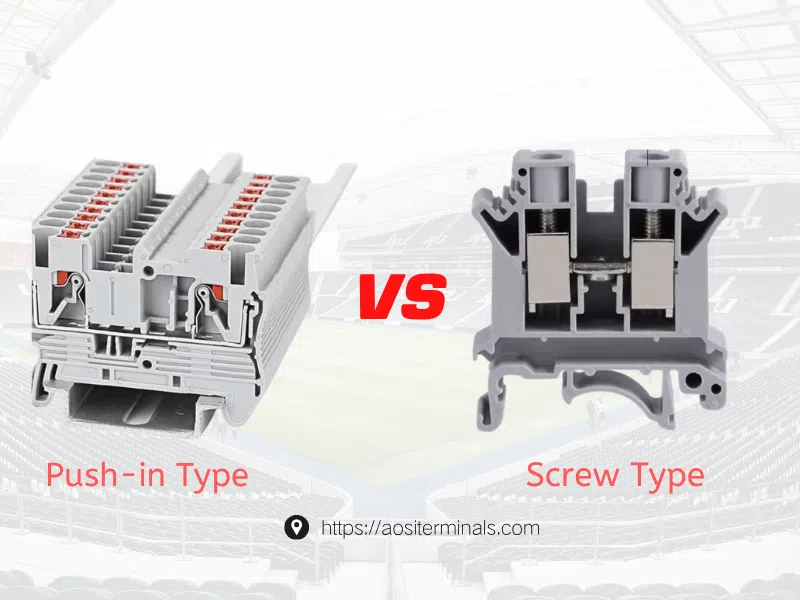
Selezionare la morsettiera giusta per il vostro quadro elettrico è fondamentale per garantire un cablaggio sicuro, efficiente e manutenibile. Sia le morsettiere a innesto rapido che quelle a vite servono a collegare i conduttori in modo sicuro, ma le loro caratteristiche di design e prestazioni differiscono, influenzando la velocità di installazione, l'affidabilità, la manutenzione e il costo. Questo articolo fornisce un confronto dettagliato delle morsettiere a innesto rapido vs a vite tecnologie, aiutando ingegneri e progettisti di quadri a prendere decisioni informate per i moderni sistemi di automazione.
Come ogni morsettiera collega i fili
Partiamo dalle basi: come fanno questi due tipi di connessione a tenere effettivamente i fili in posizione?
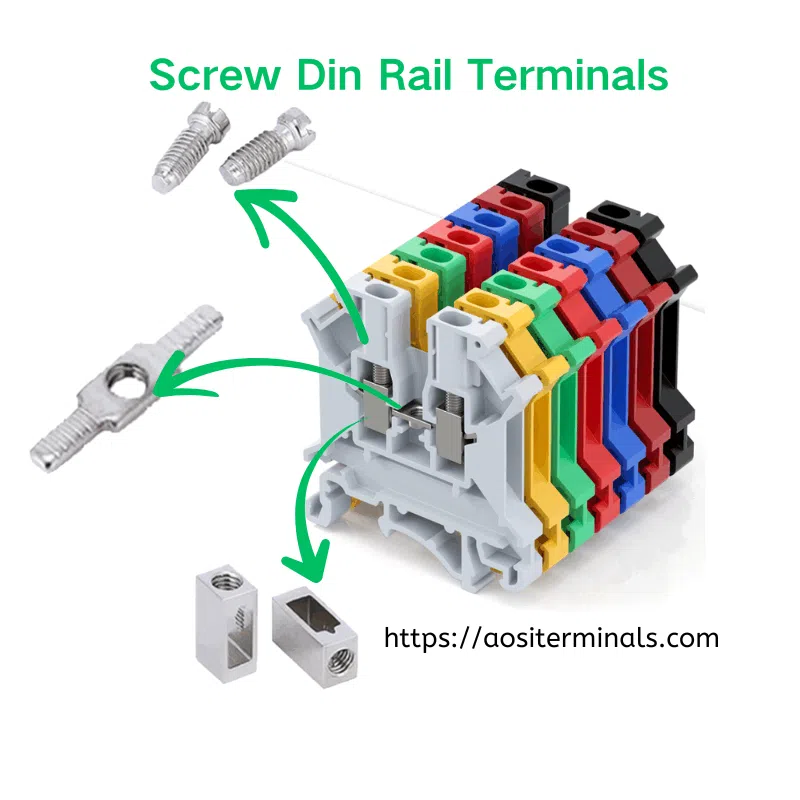
Terminali a vite si basano su un principio semplice: serrate la vite e il filo resta fermo. Il conduttore spellato viene premuto tra un morsetto e una barra conduttiva. È affidabile, ma richiede una coppia perfetta: troppo allentata e si generano archi elettrici; troppo serrata e si rischia di danneggiare il filo.
I terminali a innesto diretto, invece, fanno a meno del cacciavite. È sufficiente inserire il filo e una molla in acciaio inossidabile lo afferra automaticamente con una pressione costante. Il risultato? Un contatto sicuro e a tenuta stagna che resiste alle vibrazioni e risparmia i polsi.
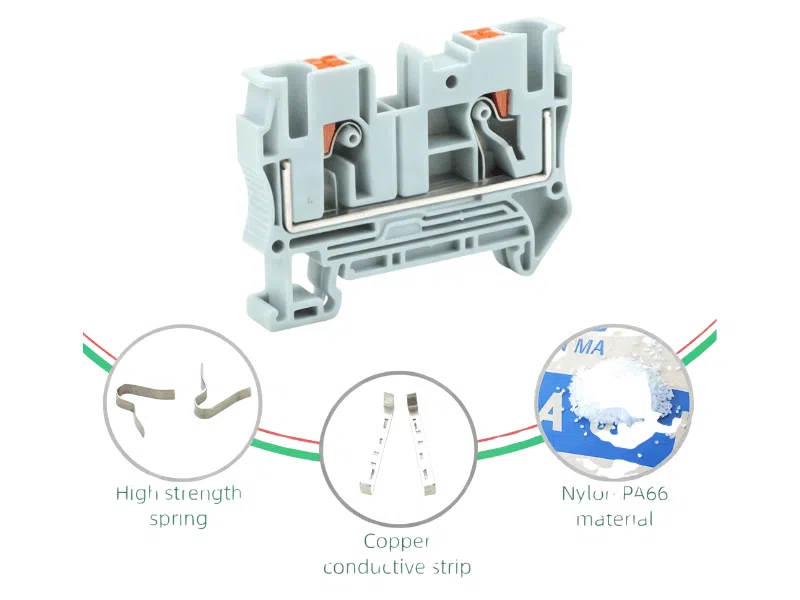
Non sono necessari cacciavite né chiave dinamometrica, il che rende questo un vero sistema di connessione senza utensili ideale per un cablaggio rapido e ripetibile.
🔗 Lettura correlata: Tecnologia di connessione push-in nelle morsettiere
Quale si cabla più velocemente e dura più a lungo?
Qui le cose si fanno interessanti: velocità di cablaggio e manutenzione.
Se avete mai cablato un intero quadro di controllo, sapete che il tempo è denaro. I terminali a innesto diretto possono ridurre il tempo di cablaggio fino al 70%, grazie al loro design senza utensili. Nessuna vite da serrare, nessuna coppia da verificare: basta inserire e procedere.
Terminali a vite, d'altro canto, funzionano ancora egregiamente ma richiedono controlli regolari della coppia. Nel tempo, le vibrazioni o le variazioni di temperatura possono allentarli, il che significa più ore di manutenzione per il vostro team.
Quindi, se il vostro progetto prevede centinaia di connessioni, il push-in fa risparmiare non solo tempo, ma anche l'affaticamento a lungo termine, pure.
Affidabilità e sicurezza
- Stabilità del contatto in presenza di vibrazioni
I terminali a vite possono allentarsi nel tempo a causa di vibrazioni, dilatazione termica o scorrimento dei materiali. I terminali push-in, invece, mantengono una forza di serraggio costante grazie alla loro molla in acciaio inossidabile, il che li rende ideali per l'automazione industriale, i trasporti e i sistemi di alimentazione. - Conduttività elettrica
Entrambi i tipi offrono un'ottima conduttività se installati correttamente. Tuttavia, i modelli push-in mantengono una resistenza di contatto più costante perché la molla applica una pressione uniforme indipendentemente dalle variazioni del conduttore. - Certificazione e norme
Entrambi i tipi di connessione sono testati secondo UL 1059 e IEC 60947-7-1. I terminali push-in sono inoltre sottoposti a test di vibrazione secondo IEC 60068-2-6 per garantirne la stabilità meccanica. - Sicurezza e riduzione dell'errore umano
Con i terminali a vite, una coppia impropria o l'assenza di puntalini possono causare archi elettrici o lo scivolamento del filo. La tecnologia push-in elimina questi rischi con un processo di inserimento ripetibile, garantendo un cablaggio sicuro e standardizzato su grandi linee di produzione.
Il push-in vale la pena nel lungo periodo?
Parliamo di soldi: non solo il costo unitario, ma il vero costo totale di proprietà.
Certo, i terminali a vite costano meno all'inizio. Ma i tipi push-in si ripagano rapidamente grazie al risparmio di manodopera, al minor numero di utensili e a zero riserraggi.
Secondo uno studio di Phoenix Contact, le fabbriche che sono passate ai terminali push-in hanno ridotto il tempo di assemblaggio del 60–70%, tagliando la manodopera di cablaggio di giorni per lotto.
Aggiungete il design esente da manutenzione e il ROI diventa evidente già nel primo ciclo di produzione.
In breve: sì, il push-in vale assolutamente la pena se il vostro progetto dà valore a tempo, sicurezza e scalabilità.
Quando scegliere il tipo push-in o a vite
La scelta del tipo di terminale giusto dipende dall'applicazione, dall'ambiente e dalle priorità di budget:
| Scenario | Tipo consigliato | Motivo |
| Cablaggio di automazione ad alto volume | A spinta | Installazione più rapida, risultati costanti |
| Quadri di controllo PLC compatti | Push-in/ | Risparmio di spazio, nessuna manutenzione |
| Cablaggio sul campo con tipi di conduttore misti | Vite | Flessibile per fili flessibili o irregolari |
| Ambienti ad alta vibrazione | A spinta | La molla mantiene una forza di serraggio costante |
| Progetti sensibili al budget | Vite | Costo iniziale inferiore, installazione semplice |
Nella maggior parte dei moderni sistemi di automazione e controllo, terminali push-in sono ormai considerati la scelta preferita per la costruzione professionale di quadri, grazie alla loro combinazione di velocità, affidabilità e sicurezza.
🔗 Vedi anche: Serie di morsettiere push-in – Panoramica prodotti AOSI
FAQ – Morsettiere push-in vs a vite
R1: No. Il meccanismo a molla mantiene una pressione costante sul conduttore, impedendo l'allentamento. Al contrario, i terminali a vite possono richiedere una verifica periodica della coppia.
R2: Sì. I modelli push-in ad alte prestazioni come le serie AOSI PT4 e PT6 gestiscono fino a 41A, adatti per la distribuzione di potenza e i circuiti di controllo.
Conclusione
Il dibattito tra morsettiere push-in e a vite non si tratta di giusto o sbagliato — si tratta di efficienza, applicazione e progettazione a prova di futuro.
I terminali a innesto rapido offrono un cablaggio più rapido, una forza di contatto costante e costi di manutenzione inferiori, rendendoli ideali per l'automazione, i PLC e i sistemi di controllo macchina.
I terminali a vite restano utili per il cablaggio generico e per tipi misti di conduttori, ma per gli OEM e i costruttori di quadri di controllo che privilegiano l'efficienza, la tecnologia di connessione a innesto rapido è chiaramente in vantaggio.
Scoprite la Serie di morsettiere a innesto rapido AOSI per sperimentare una qualità certificata e prestazioni che soddisfano le esigenze dell'ingegneria elettrica moderna.